
Farm buildings in Fulton County are usually judged by the same simple standard once the project is done: do they make the property easier to run? That is the real test. A structure can look sharp and still fall short if it slows down equipment movement, creates storage headaches, or turns muddy weather into a constant problem. In Fulton County, owners are often building for practical reasons first. They want equipment protected, livestock routines simplified, materials kept dry, and space that keeps working through every season. When a building is planned well, it does all of that without forcing the property owner to work around avoidable design issues for the next ten or twenty years.
The building has to match the routine
The first step is figuring out what happens on the property every day. Some buildings are mainly storage. Others need to handle machinery, feed, repair work, or a combination of jobs that change by season. Looking at agricultural buildings in Fulton County through that lens is more useful than starting with size alone.
A farm that needs wide, easy equipment access will not use space the same way a property focused on livestock support will. Ceiling height, door placement, open floor area, ventilation, and traffic patterns all start to matter pretty quickly. Once those needs are clear, the project becomes easier to shape around actual use instead of guesswork.
Why farm buildings in Fulton County need more than enough square footage
People often assume that more square footage automatically solves everything. It helps, but it does not replace a good layout. A building can be large and still feel awkward if access is tight or storage zones are poorly placed. That is why owners comparing Fulton County farm buildings should think just as hard about flow as they do about footprint.
A smart layout keeps daily tasks from piling into each other. Equipment can move cleanly. Supplies are easier to reach. Maintenance feels less rushed. There is less wear from squeezing machinery into tight spots. Small decisions during planning often create the biggest improvements once the building is in use.
Site placement does a lot of heavy lifting
Where the structure sits matters almost as much as how it is built. If drainage is ignored, water will keep showing up where you do not want it. If there is not enough approach space, trailers and larger equipment become a hassle. If prevailing wind is not considered, dust, weather exposure, and winter conditions can make an otherwise solid building feel less comfortable to use.
That is one reason Fulton County agricultural buildings should be planned with the full property in mind. It helps to think about runoff, truck movement, snow management, nearby work areas, and whether future additions might be needed. A building that fits the site well tends to feel right right away. One that is squeezed into place usually keeps reminding the owner about it.
Flexibility pays off over time
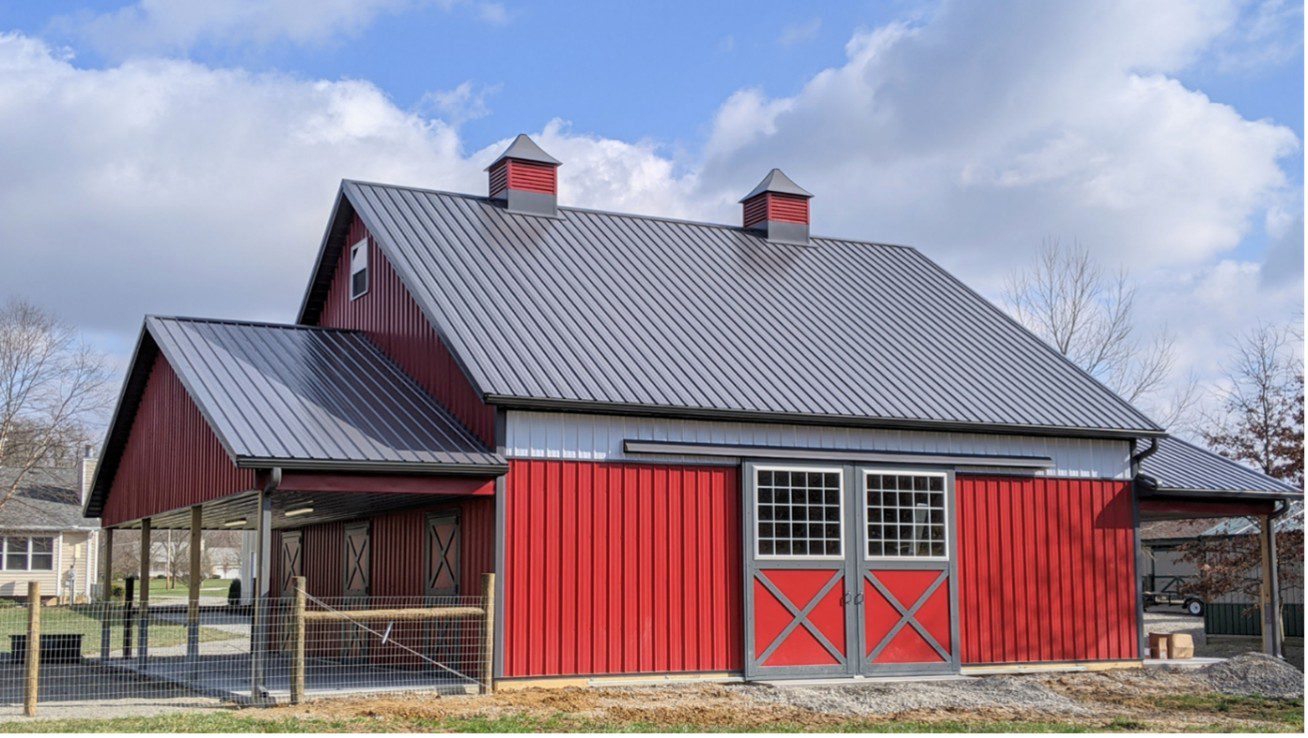
Very few farms stay exactly the same. Equipment changes. Storage needs shift. A space that starts as one thing can take on a second job faster than expected. Buildings that hold up best over time are often the ones that leave room for that shift. Owners exploring pole barns in Fulton County often appreciate the adaptability that comes with open spans and layouts built around long-term use.
That does not mean adding things you do not need. It means making smart choices while the project is still on paper. Leaving enough width for future access, planning door locations carefully, or setting up a footprint that could support a different interior arrangement later can make a huge difference. Those are inexpensive decisions compared with trying to correct a rigid building after it has already been in service.
The best structures earn their keep every season
A building is worth the investment when it works in the middle of a wet spring, a busy harvest stretch, and a cold, windy week in winter. That is why owners also pay attention to how post frame buildings in Fulton County handle durability, ventilation, weather exposure, and the day-to-day wear that comes with real farm use.
In the end, farm buildings in Fulton County prove their value by reducing friction. They protect equipment, improve organization, and make the property more efficient to operate. When the planning is thoughtful and the structure fits the land and the routine, the return is not just financial. It shows up in smoother days and fewer recurring problems.
FAQs
How do I know what size building I really need?
Start with equipment dimensions, storage goals, and the amount of open work space you want. Most owners get a clearer answer from workflow than from rough square-foot guesses.
Should I choose layout over size if the budget is tight?
Usually yes. A well-planned building that fits your routine can outperform a larger one with awkward access or poor interior flow.
Do site conditions really affect the final cost and usefulness?
They do. Drainage, grading, access, and placement can all influence both construction decisions and how convenient the building feels afterward.
Want us to build your next barn? Reach out to us online at MQS Structures, or call us at 855-677-3334.
We help farmers, families, and businesses build the space they need to grow. We listen first. Then we design a post frame building that’s built to last. No cookie-cutter plans. No hassle. Just quality structures that stand the test of time. We help farmers. We help families. We help businesses build the space they need to grow.

We listen. We design. We build structures.
We’re here to help you create a post frame building. One that’s built to last, and made for you.
Follow MQS Structures on Facebook and Instagram for a closer look at our MQS builds!