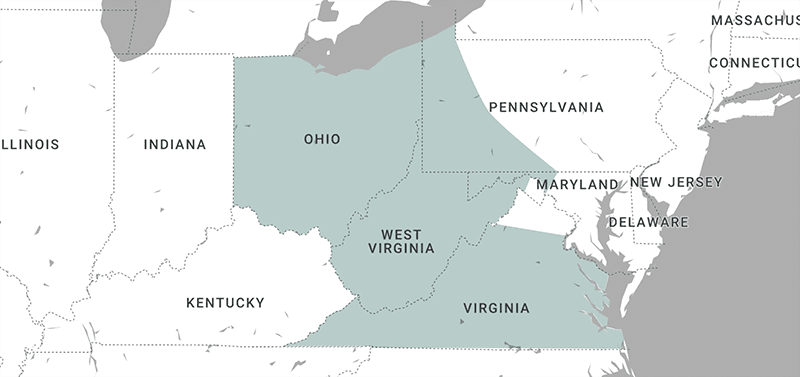

Agricultural buildings in Williams County usually start with a pretty simple question: what does the building need to do every single day? That sounds obvious, but it’s where a lot of projects either get easier or more expensive. A building that stores hay, keeps equipment dry, gives livestock a cleaner routine, and still has room to work during bad weather has to be planned differently than a general-purpose shell. In Williams County, weather swings, muddy seasons, wind exposure, and the way a property is laid out all matter more than people expect. The best results usually come from stepping back before the building starts and deciding how traffic, storage, drainage, and long-term use are all supposed to work together.
Start with the job the building has to handle
A good farm building is less about the exterior shape and more about daily movement. Think about how tractors come in, where trailers need to turn, what has to stay dry, and how often people are opening and closing doors in the middle of a rushed workday. That’s where a lot of owners begin to see the difference between general farm buildings in Williams County and a structure that actually fits the property.
A machine shed, livestock shelter, feed storage area, and workshop all ask for different clearances and different interior layouts. If one building is expected to do two or three of those jobs, planning gets even more important. Ceiling height, door width, aisle space, ventilation, and the location of electric service stop being small details very quickly. What saves headaches later is thinking through how the building works in February, not just how it looks on the day it goes up.
Why agricultural buildings in Williams County need smart site planning
The site can make or break the usefulness of a building. If the pad sits low, water finds it. If the doors face the wrong direction, wind and drifting snow become constant annoyances. If there is not enough approach space, backing in equipment gets old fast. That’s why solid planning around Williams County farm buildings almost always includes grade, drainage, access, and future expansion.
It also helps to look one step ahead. Maybe the building is for machinery right now, but there is a decent chance it will need a lean-to, a wash area, or extra enclosed storage later. Leaving room for that now is usually cheaper than trying to force it into a cramped layout a few years down the road. Good site placement also protects the structure itself by reducing standing water around posts, doors, and traffic zones that take the most abuse.
Interior layout matters more than people think
The inside of the building decides whether it feels efficient or frustrating. Owners often focus on square footage first, but layout carries just as much weight. Wide door openings, good light, and clear separation between storage and work areas can make the same footprint feel much bigger. That is one reason Williams County agricultural buildings should be planned around the equipment and routines already in place, not around a generic template.
For example, a farm that needs quick access to skid steers and attachments will use space differently than one that mostly stores seasonal equipment. If feed, bedding, tools, and repair supplies all end up piled wherever they fit, the building starts losing efficiency almost immediately. A cleaner floor plan cuts down on wasted motion, helps protect stored materials, and gives the building a longer useful life because people are not constantly working around avoidable bottlenecks.
The right structure should still work five or ten years from now
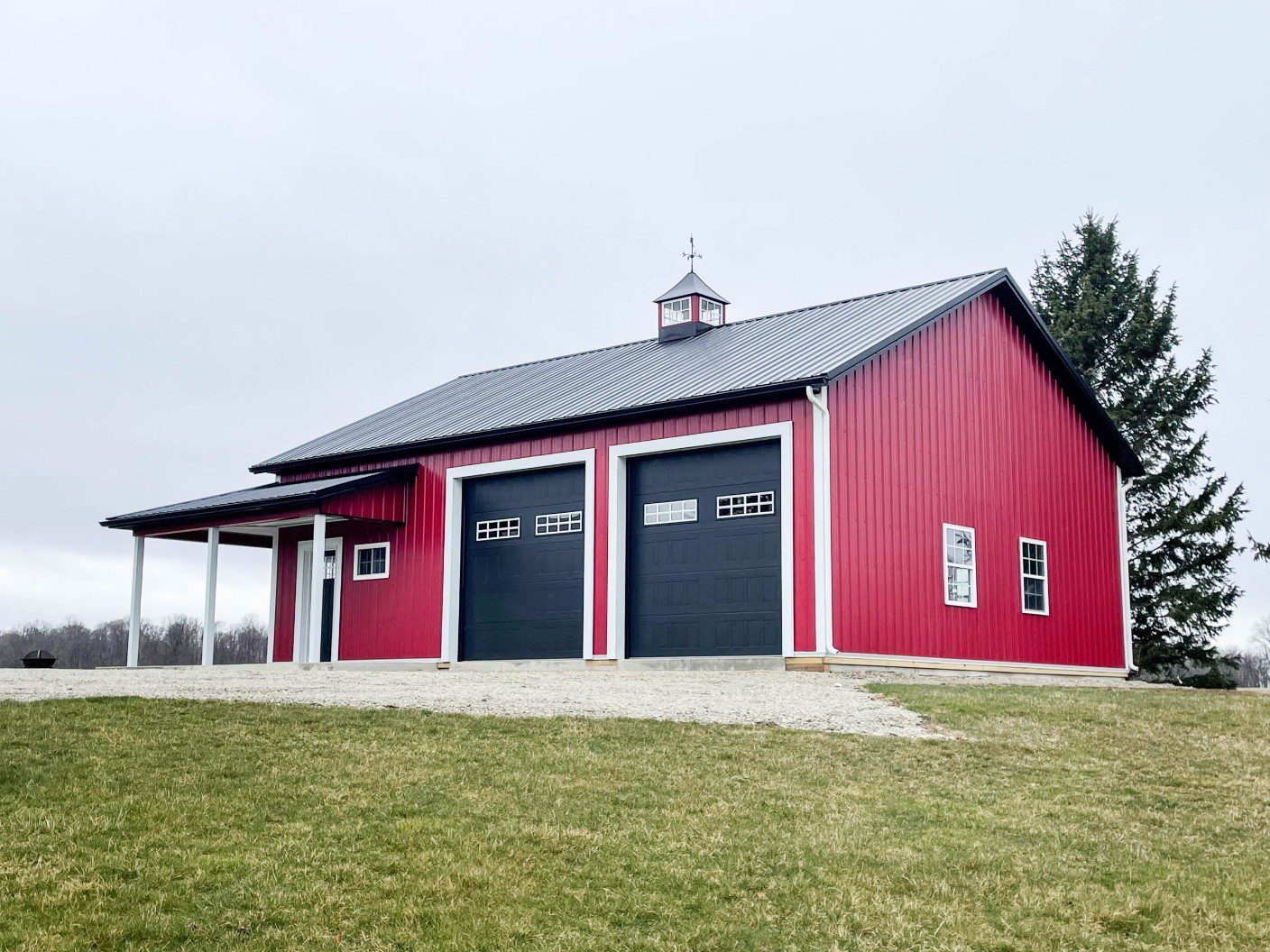
This is where long-term thinking pays off. It is easy to size a building only for what the farm owns right now. It is smarter to leave room for the next purchase, the next workflow change, or the next season that pushes operations harder than usual. Well-planned custom pole barns in Williams County often succeed because they are flexible enough to serve current needs without boxing the owner in later.
That flexibility can show up in a few ways. Maybe it means adding door locations that allow better traffic flow. Maybe it means planning for insulation later, even if the building starts as cold storage. Maybe it means choosing a size that leaves a real service lane instead of squeezing equipment wall to wall. The goal is not to overbuild for the sake of it. The goal is to avoid a building that feels undersized the minute operations shift.
Durability comes from details, not just size
A bigger structure is not automatically a better one. What tends to matter more is whether the building is designed for the work and conditions it will actually face. Wind loads, moisture control, ventilation, and how the roofline handles runoff all play into how well the building holds up over time. Owners looking at post frame buildings in Williams County usually benefit from asking how the structure will perform during hard use, not just what the footprint looks like on paper.
That same mindset is why agricultural buildings in Williams County should be treated like working assets, not simple add-ons. A building that supports cleaner storage, smoother daily movement, and fewer weather-related problems does more than protect equipment. It makes the property easier to run. And when a structure is planned around real use, it tends to keep paying off long after the project is finished.
FAQs
What size farm building do most owners really need?
It depends. A lot of people start by thinking about square footage, but daily use tells you more. Equipment height, turning space, storage volume, and whether the building will double as a work area all matter.
Should I plan for future expansion now?
Usually yes. Even if you do not build larger today, leaving the site and layout ready for additions later can save money and prevent a bad fit down the road.
Does building placement really affect long-term performance?
Absolutely. Drainage, wind direction, access for trucks and tractors, and snow movement all shape how convenient the building feels once it is in regular use.
Want us to build your next barn? Reach out to us online at MQS Structures, or call us at 855-677-3334.
We help farmers, families, and businesses build the space they need to grow. We listen first. Then we design a post frame building that’s built to last. No cookie-cutter plans. No hassle. Just quality structures that stand the test of time. We help farmers. We help families. We help businesses build the space they need to grow.
We listen. We design. We build structures.
We’re here to help you create a post frame building. One that’s built to last, and made for you.
Follow MQS Structures on Facebook and Instagram for a closer look at our MQS builds!